
Xylocaine – Lidocaïne
Xylocaine – Lidocaïne
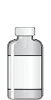
Flac.
1 % :
200 mg/20 ml,
2 % :
400 mg/20 ml,
5 % :
1000 mg/20 ml.
FAMILLE :
Anesthésique local et antiarythmique.
DÉLAI D’ACTION :
Tb du rythme :
Immédiat.
Anesthésie :
10 minutes.
DURÉE D’ACTION :
Tb du rythme :
20-30 minutes.
Anesthésie :
45-75 minutes.
INCOMPATIBILITÉ PHYSICO-CHIMIQUE :
Aminophylline. CaCl. Pénicilline. Solutés alcalins. Phénytoine (Dilantin). Adrénaline. Noradrénaline. Isuprel. Amphotéricine B.
PRÉPARATION ET DILUTION :
G5 %.
PSE :400 mg dans 40 ml, soit 10 mg/ml. |
||||
20 ml |
20 ml |
40 ml |
||
 |
 |
 |
 |
 |
|
Prélever 400 mg dans un flacon de 400 mg/20 ml |
Ramener à 40 ml avec du NaCl 0,9 % ou du G5 % |
On obtient 400 mg/40 ml soit 10 mg/ml |
||
POSOLOGIE :
1-1,5 mg/kg/heure en IVSE.
XYLOCAINE :400 mg/40 ml, soit 10 mg/ml. |
|||||||
Vitesse ml/h |
40 kg |
50 kg |
60 kg |
70 kg |
80 kg |
90 kg |
100 kg |
1 mg/kg/h |
4 ml/h | 5 ml/h | 6 ml/h | 7 ml/h | 8 ml/h | 9 ml/h | 10 ml/h |
1,5 mg/kg/h |
6 ml/h | 7,5 ml/h | 9 ml/h | 10,5 ml/h | 12 ml/h | 13,5 ml/h | 15 ml/h |
EFFETS SECONDAIRES ET SURVEILLANCES :
- Monitorage
- Réaction allergique, nausées, agitation, convulsions.
- Tachypnée. Hypotension artérielle, bradycardie.








Une réponse
Le meilleur site web qui soit ! L’information y est unique et précieuse